
Supplement sports nutrition
We can tell you from experience, nothing feels better than helping people along the path to their best selves. Interested in joining The Vitamin Shoppe® team? Check out our Careers page to find the right fit for you el royal casino.
Ready to discover the best in health and wellness products? Visit an Active Nutrition store near you! Whether you’re looking for premium supplements, expert advice, or the latest in fitness nutrition, our stores offer everything you need to support your active lifestyle.
Whatever your goals, we’ve got the fuel to reach them. And now, it’s easier than ever to stay on track with AUTO DELIVERY, so you never miss a thing. Plus, you get a 10% discount on every subscription AND free shipping*.
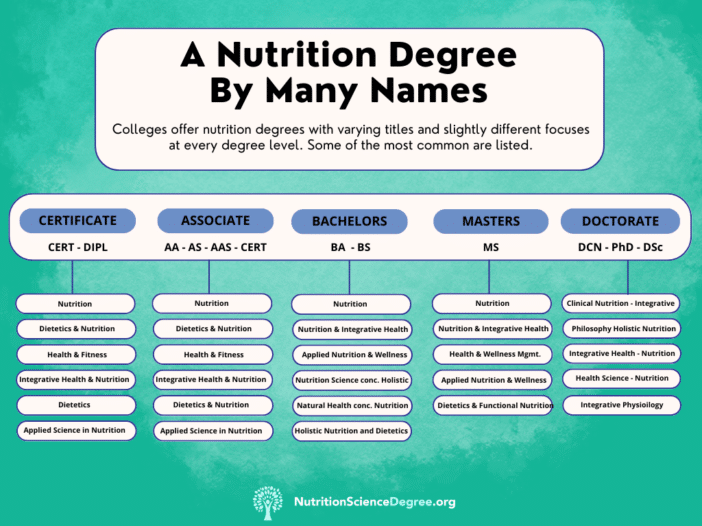
Sports nutrition degrees
Even sports nutritionists that are not legally obligated to become certified or licensed professionals often earn credentials through a national credentialing agency such as the Commission on Dietetic Registration (CDR) to establish professional competency in the field.
The Master of Science in Exercise and Nutrition Science (M.S.-ENS) prepares students to work in government, business, the sports industry and in education as practitioners on professional interdisciplinary teams. The program is for students seeking a strong foundation for further study and research including those pursuing a terminal degree.
A sport nutritionist’s salary is largely dependent on their level of formal education, experience, specialized training, industry in which they work, and geographic location. As of May 2021, the states with the highest average salary for nutritionists included:
Otago’s unique Applied Science degrees link the excitement of science and the power of technology with the challenges of business. Applied Science programs help graduates to become innovative thinkers with an entrepreneurial spirit, the very attributes successful New Zealanders are well-known for. As a graduate you’ll be in better control of your career, able to contribute to the success of any organization. And if innovation attracts you, an Applied Science degree combined with work experience will provide the right background if you decide to start your own business.
At CSP Global, our PhD or EdD in Kinesiology with a Sports Nutrition concentration allows students to deepen their understanding of these principles through advanced coursework, hands-on application, and extensive research opportunities. If you want to become a sports nutritionist, furthering your nutrition education in the health sciences will set you up for success.
The institutions listed below offer courses, certificates, or advanced degrees that include sports nutrition, exercise science, exercise physiology, or kinesiology or a related topic as a component of the program. The dietetic internships and coordinated programs in dietetics listed may offer an opportunity for some competencies to be achieved in the area of sports nutrition. The information is current as of June 2016. If you know of new programs to add, contact SCAN at info@scandpg.org.
International society sports nutrition
Using the criteria of leucine content, Norton and Wilson et al. used animal models to compare the potential to activate initiation factors and MPS between four different protein sources: wheat (supplemented with leucine), soy, egg, and whey, (containing 6.8, 8.0, 8.8, and 11% leucine, respectively) using a diet consisting of three meals per day. Macronutrient intake was 16/54/30% for protein, carbohydrates and fat, respectively. Wheat and soy did not stimulate MPS above fasted levels, whereas egg and whey proteins significantly increased MPS rates, with MPS for whey protein being greater than egg protein. MPS responses were closely related to changes in plasma leucine and phosphorylation of 4E–BP1 and S6 K protein signaling molecules. More importantly, following 2- and 11-weeks of ingestion, it was demonstrated that the leucine content of the meals increased muscle mass and was inversely correlated with body fat.
To compare serum levels of bone turnover markers in athletes and non-athletes, and to evaluate the relationship between serum levels of vitamin D metabolites and exercise-induced changes in biomarker levels.
The ISSN is the world’s leader in providing science-based sports nutrition and supplement information. Our peer-reviewed journal (JISSN), conferences, and attendees are the key influencers and thought-leaders in the sports nutrition and supplement field.
When consumed whole, proteins are digested through a series of steps beginning with homogenization by chewing, followed by partial digestion by pepsin in the stomach . Following this, a combination of peptides, proteins, and negligible amounts of single amino acids are released into the small intestine and from there are either partially hydrolyzed into oligopeptides, 2–8 amino acids in length or are fully hydrolyzed into individual amino acids . Absorption of individual amino acids and various small peptides (di, tri, and tetra) into the blood occurs inside the small intestine through separate transport mechanisms . Oftentimes, products contain proteins that have been pre-exposed to specific digestive enzymes causing hydrolysis of the proteins into di, tri, and tetrapeptides. A plethora of studies have investigated the effects of the degree of protein fractionation (or degree of hydrolysis) on the absorption of amino acids and the subsequent hormonal response . Research indicates that amino acids are absorbed more rapidly when they are consumed as di and/or tri peptides compared to free form amino acids or complete proteins . Further, the rate of absorption may lead to a more favorable anabolic hormonal environment . Calbet et al. examined both amino acid appearance and insulin responses following consumption of protein solutions containing the same amount of protein, or pure carbohydrates. The treatments consisted of a pure glucose solution, whey peptide hydrolysates, and cow’s milk containing milk proteins, lactose and fat. Each of the nitrogen containing solutions contained 15 g of glucose and 30 g of protein. Results indicated that peptide hydrolysates produced a faster increase in venous plasma amino acids compared to milk proteins. Further, the peptide hydrolysates produced peak plasma insulin levels that were two- and four-times greater than that evoked by the milk and glucose solutions, respectively, with a correlation of 0.8 between plasma amino acids and the insulin response in the peptide hydrolysates. One of the inherent shortcomings of this study is that milk proteins are 80% casein and, therefore, are not ideal candidates to compare with hydrolyzed whey.
The effect of insulin on MPS is dependent on its ability to increase amino acid availability, which does not occur when insulin is systematically increased (e.g., following feeding) . In particular, insulin’s impact on net protein balance seems to operate most powerfully in an anti-catabolic manner on muscle . However, insulin-mediated effects that reduce muscle protein breakdown peaks at low to moderate levels of insulin (~15–30 μIU/mL) that can be achieved by consumption of a 45-g dose of whey protein isolate alone . Taken together, these results seem to indicate that post-workout carbohydrate supplementation offers very little contribution from a muscle development standpoint provided adequate protein is consumed. For example, Staples and colleagues compared the impact of a carbohydrate + protein combination on rates of MPS and reported no further increases in MPS beyond what was seen with protein ingestion alone. Importantly, these results are not to be interpreted to mean that carbohydrate administration offers no potential effect for an athlete engaging in moderate to high volumes of training, but rather that benefits derived from carbohydrate administration appear to more favorably impact aspects of muscle glycogen recovery as opposed to stimulating muscle protein accretion.