

Beginner’s Guide to Forex Trading
Forex trading can be an exciting endeavor for beginners looking to delve into the world of financial markets. The foreign exchange market is one of the largest and most liquid markets in the world, where currencies are bought and sold. For those just starting their journey, understanding the basics is crucial for success. If you are looking for resources to help you get started, check out beginner forex trading Trading Brokers in Vietnam for invaluable insights and support.
Understanding Forex Trading
At its core, forex trading involves exchanging one currency for another. Most traders earn profits by capitalizing on the fluctuations in currency prices. Unlike the stock market, the forex market operates 24 hours a day, five days a week, offering ample opportunities to trade.
The Currency Pairs
In forex trading, currencies are quoted in pairs. The first currency is called the base currency, while the second is the quote currency. For example, in the currency pair EUR/USD, the Euro is the base currency, and the US Dollar is the quote currency. The exchange rate tells you how much of the quote currency you need to spend to purchase one unit of the base currency.
Market Participants
The forex market consists of several participants, including:
- Centrals Banks: They influence currency strength through monetary policy.
- Financial Institutions: Large institutions participate to hedge risks or take positions for profit.
- Retail Traders: Individual traders, like you and me, make trades for personal profit.
- Corporations: Businesses may trade currencies for international operations.
Getting Started: Steps for Beginners
- Educate Yourself: Before jumping in, learn the language of forex trading, understand how the market works, and familiarize yourself with trading strategies.
- Choose a Reliable Broker: Selecting a quality forex broker is crucial. Look for one that is regulated, has a good reputation, offers a user-friendly trading platform, and provides educational resources.
- Open a Trading Account: Most brokers offer different types of accounts, including demo accounts that allow beginners to practice trading without real money.
- Develop a Trading Plan: A successful trader will usually have a plan outlining their goals, risk tolerance, and strategies.
- Start Trading: Once you feel confident, start trading with small amounts to reduce risk while gaining experience.
Key Concepts to Understand
Several fundamental concepts will help you make informed trading decisions:
Leverage
Leverage allows traders to open larger positions with a smaller amount of capital. However, it increases both the potential for profit and the risk of loss. Beginners should use leverage cautiously.
Technical and Fundamental Analysis
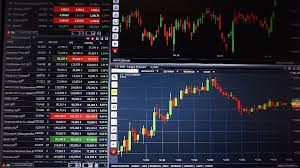
Successful traders use both technical analysis (reading price charts and indicators) and fundamental analysis (understanding economic indicators, political events, etc.) to make informed trading decisions.
Risk Management
Managing risk is vital in forex trading. Establish stop-loss orders, use proper position sizing, and never risk more than you can afford to lose.
Choosing a Trading Strategy
There are numerous trading strategies, and choosing the right one depends on your individual style and risk tolerance. Some of the most common strategies include:
- Scalping: Quick trades that capitalize on small price changes.
- Day Trading: Opening and closing trades within the same day to minimize overnight risk.
- Swing Trading: Holding positions for several days or weeks to capitalize on short- to medium-term price movements.
- Position Trading: Long-term strategy involving holding trades for months or even years.
Useful Tools for Forex Traders
There are many tools available to help forex traders improve their performance:
- Trading Platforms: Most brokers offer platforms that provide analysis tools, news feeds, and a safe environment for trading.
- Financial News Websites: Keep informed about economic events that can affect currency prices.
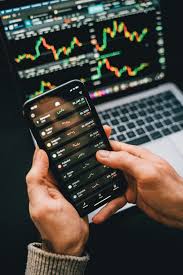
- Forex Apps: Many applications provide real-time data, enabling you to manage trades on the go.
Conclusion
Forex trading can be rewarding, but it requires determination, practice, and continuous learning. As a beginner, take the time to educate yourself, develop a solid strategy, and always be mindful of your risks. Remember that no trader succeeds overnight; it takes time and experience to become proficient in forex trading. Good luck on your trading journey!