
The Allure of Risk and Reward
Casino gambling is intricately tied to the human psyche, particularly the allure of risk and reward. Players are often drawn to the thrill of potentially winning large sums of money, which can overshadow the inherent risks involved in gambling. This excitement triggers dopamine release in the brain, leading to a pleasurable sensation that encourages further engagement. The unpredictability of gambling outcomes enhances this allure, allowing individuals to fantasize about fortune and success with each bet they place. Some players even explore offshore betting options to amplify their excitement.

Moreover, the excitement of risking money creates a strong psychological pull. This can lead players to adopt various strategies that they believe will improve their chances of winning. These strategies range from simple betting systems to complex mathematical models. Understanding the psychology behind these approaches helps to shed light on why individuals feel compelled to gamble, often leading them to develop irrational beliefs about luck and skill.
The Role of Cognitive Biases
Cognitive biases significantly influence gambling behavior in casinos. One common bias is the illusion of control, where players believe they can influence the outcome of games through their choices or strategies. For instance, someone might think that they can predict the next number in roulette based on past results, despite the game being purely chance-based. This belief can lead to increased betting, as players feel empowered by false agency.
Another prevalent cognitive bias is the gambler’s fallacy. This occurs when players believe that past outcomes in games of chance affect future results. For example, if a particular slot machine has not paid out in a while, a gambler might assume it is „due” for a win. These biases not only affect individual decision-making but also contribute to the overall gambling culture within casinos, where players are encouraged to chase losses or rely on superstitions.
Strategies: A Psychological Perspective
Many gambling strategies stem from a combination of theory and psychology. Popular methods, such as the Martingale system, hinge on the idea that players can recover losses by doubling their bets after each loss. While this strategy appeals to the desire for short-term gain, it often ignores the reality of table limits and the potential for spiraling debt. From a psychological perspective, this strategy plays into the desire for immediate gratification, as players become fixated on recouping their losses rather than considering the long-term implications.
Conversely, some players adopt a more rational approach by carefully managing their bankrolls and employing strategies based on statistical analysis. This can lead to a more balanced perspective on gambling, viewing it as a form of entertainment rather than a means to financial stability. The psychological benefits of such approaches include reduced anxiety and increased enjoyment, as players focus more on the experience rather than solely on outcomes.
The Impact of Environment and Design
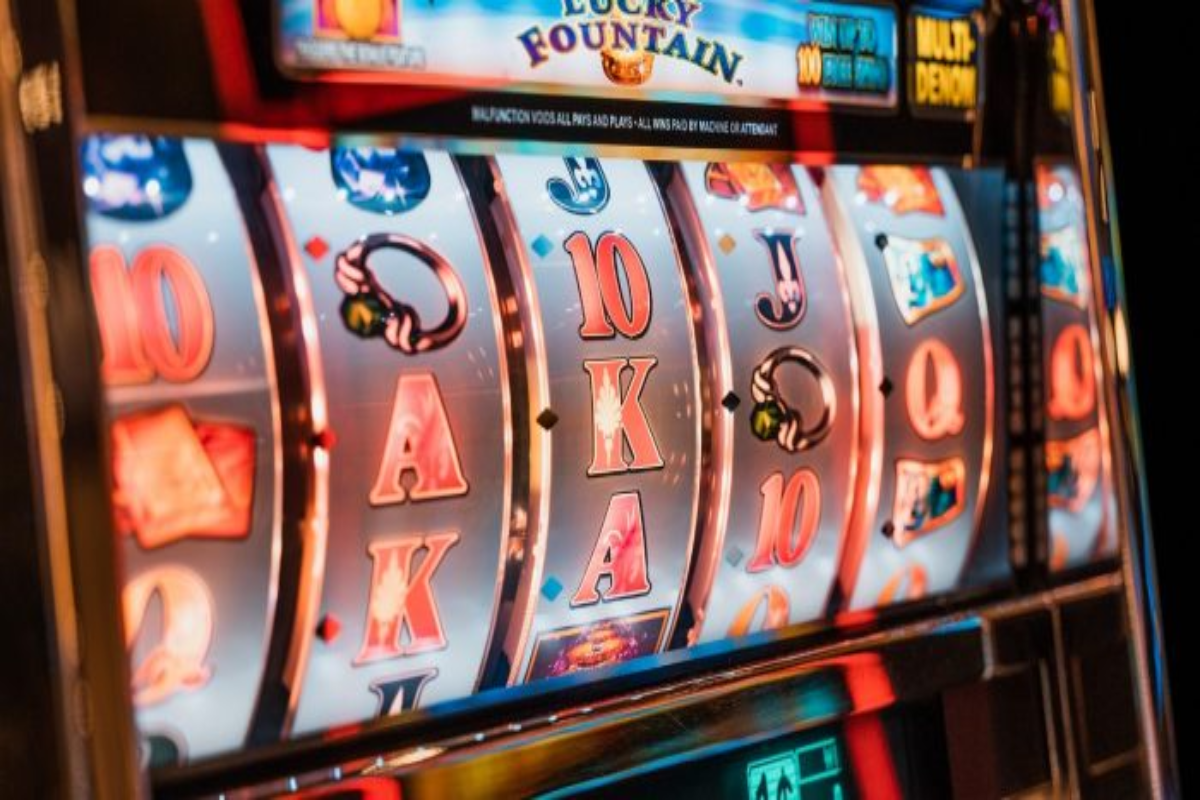
The casino environment plays a crucial role in influencing gambling behavior. The design elements—such as lighting, sound, and layout—are meticulously crafted to enhance the gambling experience and encourage prolonged play. For instance, the use of bright colors and sounds can create a euphoric atmosphere that keeps players engaged longer. This immersive experience can lead to impulsive decisions as players become entranced by their surroundings.
Additionally, the social aspect of gambling cannot be overlooked. Many individuals enjoy the camaraderie of playing in groups or at crowded tables, which can heighten emotions and encourage riskier behaviors. The desire to fit in or impress peers can lead to increased betting and impulsive decisions. Understanding these environmental impacts helps explain why casinos continually innovate their designs to maximize player engagement and revenue.
Discover More at Thinking Sideways Podcast
For those interested in delving deeper into the fascinating psychology of casino gambling strategies, the Thinking Sideways Podcast offers insightful explorations of this topic and more. The podcast examines various psychological phenomena and how they relate to everyday experiences, including those encountered in gambling. By analyzing these concepts, listeners can gain a better understanding of their own behaviors and motivations.
Engaging with the Thinking Sideways Podcast allows individuals to explore the complexities of human psychology, especially as they pertain to risk and decision-making in casinos. Whether you are a casual gambler or a seasoned player, the podcast provides valuable insights that can enhance your comprehension of the gambling experience and the psychological factors at play.