
Ferragamo Shop Handbook: Making Sense Of Collections by Category
In-store or on-screen, a Ferragamo shop can come across as entering an archive of Italian artisanship spanning nearly a century. The house, frequently spelled incorrectly as „ferregamo” by online searchers, built its name on shoes before widening its scope to include leather goods, ready-to-wear, and add-on pieces. Nowadays, it’s the handbags that carry much of the brand’s identity, and understanding how the collections are organized is what distinguishes an efficient shopping trip and a tiring scroll past countless listings. This guide maps out the categories so you’ll know precisely where to look, whether you’re in search of a structured top-handle bag or a relaxed, slouchy shoulder bag.
Salvatore Ferragamo, the founder, trained as a shoemaker in Naples before relocating to the United States and eventually returning to Florence to establish his atelier in 1927. That heritage of anatomical precision and construction quality carries into every bag category the brand produces now. Knowing this backstory helps explain why certain silhouettes recur across seasons rather than disappearing after one collection cycle.
The Ferragamo Shop’s Organization by Section, Outlined
The majority of Ferragamo retail arrangements, both digitally and in physical shops, organize handbags into a select set of core groupings: top-handle bags, shoulder bags, crossbody styles, totes, and clutches. Each category typically hold a small number of signature shapes that get reissued in new colorways ferragamo-bags.com or materials each season rather than replaced entirely. This structure benefits shoppers who take time to learn the recurring names, since a „new” seasonal drop frequently turns out to be a known design in refreshed leather or fittings.
Searching by classification instead of by trend roundup typically generate more reliable outcomes. Someone in pursuit of a office-suitable bag should begin in top-handle-style and structured tote areas, while a person curating an after-dark wardrobe fits best in the clutch and mini-bag categories. Filtering by category first, then by size and hardware finish, cuts down search time considerably compared to browsing an undifferentiated „new arrivals” page.
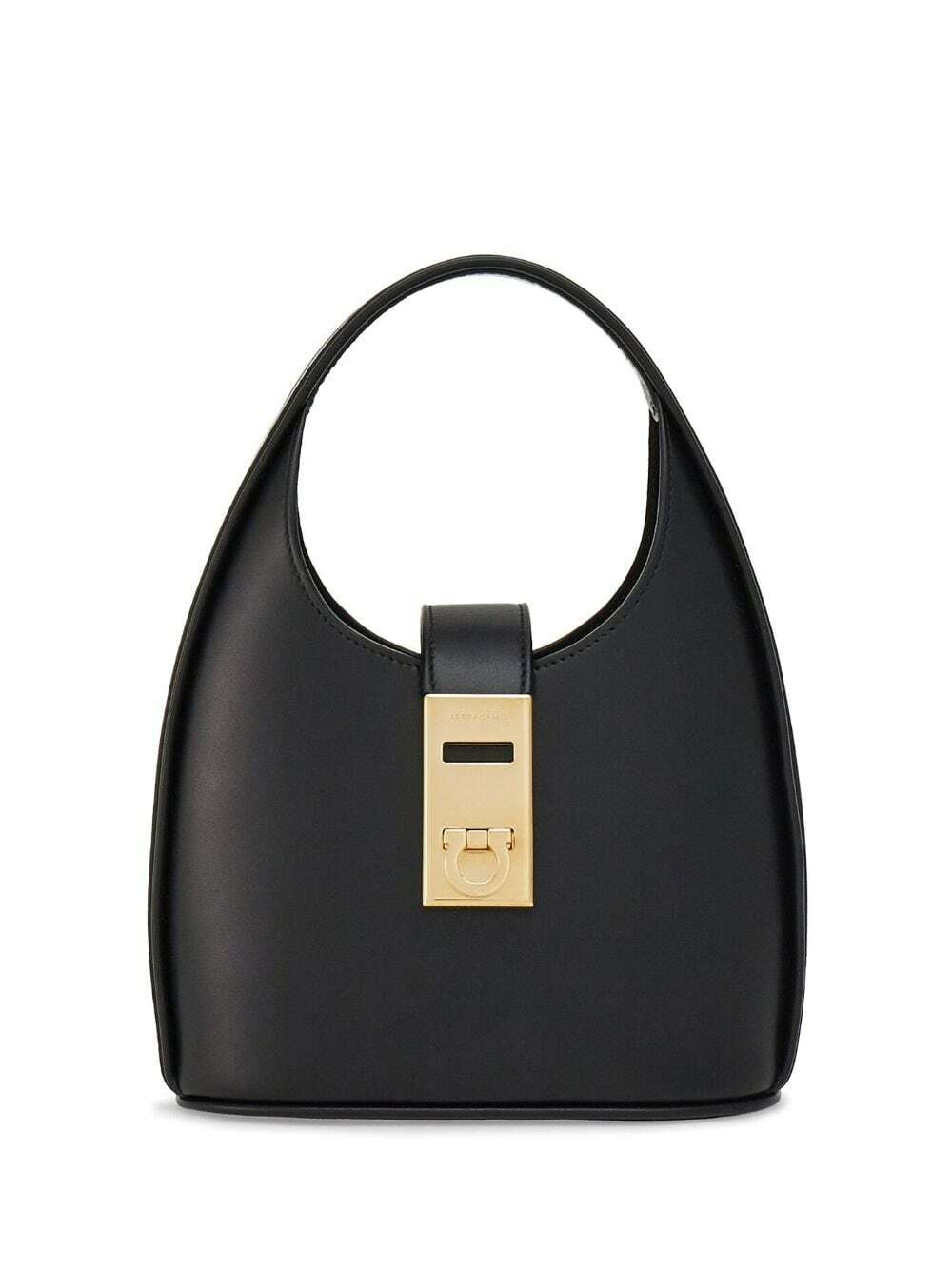
Color choices together with hardware details also influence how the retailer sorts merchandise. The Gancini clasp, the horseshoe-styled, interlocking buckle, surfaces within most every segment and serves as a cohesive stylistic hallmark. Newcomers ought to identify this hardware as a fast-read indicator for genuineness and collection history, because it appears on bags from the 1970s archive reissues in addition to current-season releases.
Boxy Bags alongside Handle-Top Silhouettes
Among Ferragamo bags, a few of the most iconic pieces available today fall under the top-handle category. These architectural bags generally rely on a boxier silhouette, paired with a one sturdy top handle and, sometimes, a detachable shoulder strap for extra flexibility. Shoppers who want a bag that transitions from office to dinner without requiring a change are precisely the audience these pieces target.
Across extended wear, boxy-shaped bags in this segment tend to maintain their silhouette, a direct result of the leather-goods construction techniques the house has refined since its early decades. Shoppers investigating the most sought-after Ferragamo bags for lasting value often lean toward this grouping because the shapes look consistent in photos and withstand the slumping that looser, more relaxed bags sometimes show.
While weighing top-handle choices, take note of the internal layout. Some structured styles include a single open compartment, while others feature zippered dividers suited to carrying a tablet or a slim folder alongside daily essentials. This detail takes priority over hue selection for anyone treating the bag as a genuine daily-carry piece rather than an infrequent-use item.
Shoulder-Style Bags and Daily Carry
Accounting for the largest share of Ferragamo’s handbag lineup, shoulder bags earn their popularity — they suit the broadest spread of body types, outfits, and day-to-day habits. This category spans from petite designs meant for carrying just the basics to larger silhouettes that function as a replacement for a small tote.
Shoppers searching for a Salvatore bag that adapts to varied seasons often choose this segment, since shoulder styles move fluidly between both relaxed and dressier outfits. A canvas-strap shoulder bag comes across differently from one on a chain strap, and the shop usually offers filtering options by strap material, which accelerates the choosing process significantly.
It’s also worth thinking about weight distribution. A shoulder bag packed with a wallet, phone, keys, and cosmetics case sits differently depending on strap width and padding. Wider, flatter straps spread the load more evenly across the shoulder, which is important for anyone wearing a bag for eight or more hours during a workday.
Crossbody and Mini Bags
The cross-body and small-bag segment has increased significantly over the past several fashion cycles as hands-free carrying became a broader industry trend rather than a narrow preference. Ferragamo’s options within this segment skew toward compact silhouettes with adjustable straps long enough to wear across the body or shortened to sit at the hip.
These smaller bags often act as an entry point for shoppers getting to know Salvatore Ferragamo bags for the first time, since mini styles commonly occupy a more approachable price point than larger top-handle or tote styles. That affordability makes this segment a typical launching point for anyone growing into a larger collection over time.
Shoppers are often surprised by how much practicality varies in this category. Some mini bags hold only a phone, cards, and lip product, while others offer enough interior room for a compact wallet and sunglasses case. Reading the interior dimensions listed on each product page helps avoid the familiar frustration of a attractive bag that simply fails to fit day-to-day items.
Tote Bags and Bags for Work
Tote silhouettes round out the category list and suit shoppers who require the biggest capacity without giving up the refinement associated with the Ferragamo name. This grouping spans both soft, slouchy totes and firmer, structured alternatives with reinforced bottoms that stand upright when set down.
For office-goers commuting with a laptop, the structured-tote group generally beats softer, slouchy versions, since rigid side panels protect devices better than supple leather that shifts throughout the day. Shoppers comparing the best Salvatore Ferragamo bags for office use should give preference to this subcategory over shoulder bags or clutch bags.
The way the interior is organized once more distinguishes the standout picks from the average ones. A tote with a zip-top closure protects what’s inside during a rainy trip to work much better than an design without a closure, even if the open-top style looks more elegant displayed on a shelf or in a catalog image.
Weighing the Categories Side by Side
The chart that follows summarizes how each category serves varying shopper needs, giving a fast reference before exploring specific product listings on the Ferragamo shop.
| Category Type | Ideal For | Usual Strap Design | Suited Occasions |
|---|---|---|---|
| Top-Handle | Structured everyday carry, workplace use | Stiff handle, shoulder strap optional | Work, evenings out, trips |
| Shoulder-Style Bags | All-purpose everyday wear | Shoulder strap, adjustable or fixed | Everyday to semi-formal |
| Mini/Crossbody | Hands-free carry, few essentials | Extended adjustable strap | Errands, evenings out |
| Tote Bags | Top capacity, daily commuting | Double top handles, strap on some styles | Work, travel, daily errands |
| Clutch Bags | Formal events, minimal carry | No strap or a detachable wristlet | Evening, formal occasions |
This summary should serve as a first-pass filter rather than a final verdict, since one’s own lifestyle and missing wardrobe pieces carry more weight than any overall ranking of categories.
Building a Ferragamo Bags Overview Before You Buy
Before committing to a purchase, it is useful to create a individual Ferragamo bags overview based on what you already own rather than what’s trending. A person who already has several structured top-handle bags from competing labels may get more practical value from a crossbody bag or tote instead of doubling up on a shape they already own.
Stock levels through the seasons also shapes the shopping experience. Some colorways or leather finishes sell out fast, especially near year-end gift occasions, so browsing the shop’s size and color filters ahead of the season increases the odds of finding a specific combination in stock. Putting it off often means settling for whatever remains rather than what was originally hoped for.
Comparing new releases against archive reissues is another worthwhile step. Ferragamo occasionally revisits past decades for stylistic inspiration, and these reissued styles sometimes surface beside brand-new silhouettes in the identical category listing. Carefully reviewing product descriptions shows which bags are revivals rooted in past designs and which are genuinely new to the lineup this year.
Wrapping Up: Shopping by Category
Viewing the Ferragamo shop as an array of distinct category systems, as opposed to one undifferentiated collection, makes the overall browsing experience faster and more satisfying. Whether the aim is locating the ultimate Ferragamo bag for a capsule wardrobe or weighing up multiple top Ferragamo bags spanning different categories before making a final pick, leading with structure, the strap format, and intended setting narrows the field considerably.
Shoppers who take a few additional moments to filter by category, study the interior measurements, and examine hardware finishes usually come away with a bag that earns its place in daily rotation instead of sitting unused after the first few wears. That practical approach, more than chasing whatever is newest, is what turns a single purchase into a genuinely long-term addition to a wardrobe built around Salvatore Ferragamo’s original standard of construction and craft.