
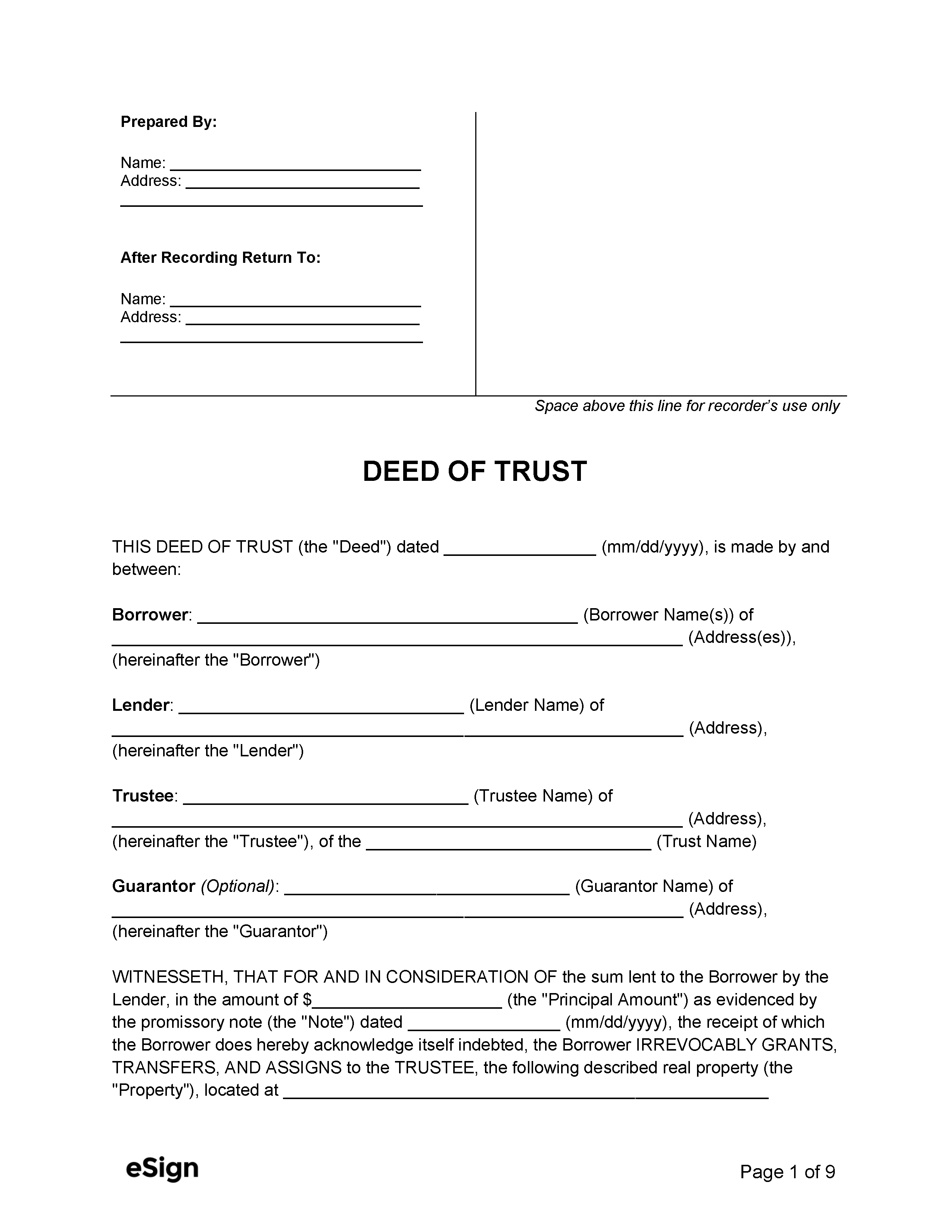
A transfer on fatality act specifies who inherits residential property after the proprietor’s death, offering a straightforward and affordable way to prevent probate genuine estate.
A transfer on fatality act is a lawful document that permits property owners to assign beneficiaries that will acquire their realty upon fatality. The building covered by the action usually prevents the probate court procedure, frequently conserving beneficiaries time, cash, and anxiety throughout the inheritance procedure.
These sorts of acts are reasonably brand-new, and mistakes are very easy to make when preparing them-even a straightforward error can lead to serious economic consequences, so it’s wise to work with an experienced lawyer.
Before you consult with your lawyer to develop a transfer on death act, allow’s review just how it functions and its prospective advantages and drawbacks.
What is a transfer on fatality action?
A transfer on fatality (TOD) action is a lawful document that allows you to call recipients who immediately acquire your property when you pass away, without going through probate.read about it alaska beneficiary deed from Our Articles The property owner (grantor) retains complete control throughout their life time, and the transfer only works upon fatality. Relying on your state, this paper may additionally be called a recipient act, revocable transfer on fatality deed, or 'Lady Bird’ action.
Trick features of a TOD deed include:
- Timing. Works only upon the property owner’s fatality
- Owner control. The proprietor retains full control of the building throughout their lifetime
- Beneficiary rights. Beneficiaries have no legal rights to the residential property while the proprietor is alive
- Revocability. Can be withdrawed or transformed by the owner at any moment before fatality
TOD deeds aren’t offered in every state or ideal in all circumstances. The certain regulations and needs vary by territory. You should examine your regional legislations and seek advice from an estate planning legal representative before continuing.
How a TOD action works
In a TOD act, the present proprietor marks one or more recipients that immediately inherit the residential property upon death. Recipients can be individuals or organizations, such as charities.
For married couples, the recipient does not acquire the residential property till the 2nd partner passes away. The surviving spouse can withdraw the TOD act at any time prior to then.
When marking beneficiaries, maintain these needs in mind.
- Usage certain names: Always assign beneficiaries by name, never ever just by partnership.
- Specify possession kind: For several beneficiaries, show whether they take title 'as joint lessees with civil liberties of survivorship’ or 'as renters in common.’
- Call alternates: Designate follower recipients in case the primary recipient passes away initially.
Ohio has replaced the TOD action with a TOD sworn statement, however the impact is the same. With a fad towards permitting TOD acts, even more states may be added in the future. A few states, such as Michigan, have a similar yet practically different file, frequently called Girl Bird or enhanced life estate actions.
If your home is not located in a state that enables TOD deeds, you may still have the ability to avoid probate by other ways, such as moving home to a living trust.
Benefits of a TOD act
Below’s exactly how TOD acts compare to various other residential or commercial property transfer techniques:
- Transfer by will: Unlike wills, TOD acts prevent probate entirely, conserving money and time.
- Joint ownership: While joint possession additionally avoids probate, all owners should agree on property decisions. TOD acts let you keep complete control up until fatality.
- Transfer to a living depend on. Trusts stay clear of probate without sacrificing control but call for more intricate paperwork and greater configuration costs than TOD deeds.
Added benefits consist of:
- Homestead security. Maintains state property security and tax benefits for your major house that could be lost with various other transfer approaches.
- Tax benefits. Avoids government gift tax obligations considering that the transfer isn’t prompt. Recipients receive a stepped-up basis, suggesting capital gains are computed from the residential or commercial property’s worth at fatality, not original acquisition cost.
Producing a transfer on fatality deed
Preparing a TOD act is not made complex, however it has to be done in compliance with state legislation. It’s recommended to seek advice from a legal professional or utilize state-approved kinds to ensure your TOD deed satisfies all lawful demands and effectively serves its desired objective. Below are the basic steps you’ll comply with to produce one:
Step 1: Prepare the deed
Your TOD action have to abide by state regulation and include particular information:
- Party names: Grantor (existing owner) and grantee beneficiary
- Building information: Lawful description of the building
- Trademarks and witnesses: Grantor trademark with required witness and notary stipulations
- Formatting: Appropriate kind dimension and area for taping stamps
The action has to include unique language plainly mentioning the recipient’s name (as 'grantee beneficiary’) and that the transfer works upon the proprietor’s fatality.
Step 2: Indication and notarize
After preparing the act, you should authorize it in the presence of a notary public. Some states might call for additional witnesses, so examine your territory’s needs.
Step 3: Videotape the action
The TOD deed must be taped in the area property documents where the residential or commercial property lies before the proprietor’s fatality. Take the initial deed to your county clerk’s office, land records office, or register of acts, and pay the recording fee.
The clerk will mark the deed with the gotten date and officially enter it into region documents. They’ll then return the initial to you.
Usual problems with transfer on fatality deeds
While TOD deeds work estate planning tools, they include possible problems:
- Minimal schedule: TOD deeds aren’t recognized in all states, developing difficulties for owners with multi-state properties
- Joint possession complications. All co-owners should all accept the action, and one owner’s death may interrupt the transfer procedure.
- Beneficiary predeceases proprietor. Without a called alternating beneficiary, the home might wind up in probate.
- Debt liability. Recipients acquire the residential property together with any type of liens, home loans, or claims against it.
- Documentation problems. Poor records of abrogations or adjustments can bring about disagreements and unintentional transfers.
- Title problems. Wrong implementation or existing home insurance claims might require lawful treatment to settle.
- Government advantages. Acquired residential or commercial property can impact beneficiaries’ qualification for Medicaid and other means-based programs.
- Household disputes. Unequal property circulation might trigger disputes or lawful obstacles.
Given these possible problems, it’s critical to speak with an estate preparation lawyer prior to producing a TOD deed. An attorney can confirm it lines up with your total estate strategy and assist you stay clear of pricey complications.
Alternatives to transfer on fatality actions
Think about these options to TOD deeds:
- Will. Specifies just how your possessions are dispersed after death. Property experiences probate, but you gain flexibility in splitting assets and naming guardians for small kids.
- Living trust fund. Transfer residential or commercial property into a trust fund while maintaining complete control as trustee. Assets pass to recipients without probate upon your death.
- Gifting. Transfer residential property to recipients throughout your lifetime. You give up control instantly and may encounter tax ramifications.
To help you determine the very best option for your needs, think about utilizing our last will and depend on assessment solution. Attorneys from our independent network can guide you with the entire estate planning process. This consists of economic power of attorney and healthcare regulations, to assist ensure your home is distributed according to your desires.
FAQs
Can a TOD deed be revoked?
Yes, you can withdraw a TOD deed anytime prior to fatality by filing a cancellation paper or a new TOD act with the region recorder’s office.
Just how can a transfer on death deed help stay clear of probate?
TOD deeds instantly transfer residential or commercial property straight to called recipients upon the owner’s death, totally bypassing the taxing and frequently costly probate process.
What are the tax implications of a TOD act?
TOD deeds don’t influence real estate tax throughout the proprietor’s lifetime. Upon transfer, beneficiaries might face resources gains taxes if they sell, plus possible inheritance tax and real estate tax reassessment.