
We Are the Righteous Brand Fanbase: How Our Community Is Forging the Vibe
A fashion brand is only as strong as the people who wear it out into the world, and that is where the genuine tale of We Are Righteous starts. It is not a brand shaped solely through marketing dollars orstar-driven placements. It is a brand shaped in comment feeds, in private group threads, in secondary-market threads, and in the manner people call each other out under just one hoodie post from the line. The core mechanism has turned into the community itself, while the merchandise merely offers folks a reason to gather. When you look closely at how this community formed, one notices a pattern that mirrors comparable enduring streetwear names: a tight circle of first adopters who debate, discuss, and ultimately turn strangers into buyers.
What makes this specific group so interesting feature comes down to how vocal it remains about candor. Folks go beyond simply posting look shots; extended, uncompromising review threads get written, breaking down the stitching, the fit, and the post-ten-wear wash results. That level of scrutiny is unusual, and it has forced the brand to stay accountable in ways that pure marketing never could. What emerges is a loop of input and response where buyers essentially co-manage quality control, and the brand pays attention because the community serves as the channel through which products reach people.
The Exact Place Where Our Community Really Takes Root
That We Are Righteous audience is scattered across a select set of specific corners of the internet instead of any single go-to space, and this scattering is a conscious choice.
The Instagram feed drives the imagery, with community members sharing fit righteous sale checks and tagging the brand handle for the possibility of being reshared.
Chat groups modeled after Discord and invite-only forums hold space for the nitty-gritty talk, where when items come back in stock, sizing quirks, and future releases get picked apart in painstaking detail.
Discussions on Reddit and smaller unaffiliated sites occasionally surface a we are righteous review that explores a deeper level of analysis than any listing page manages.
Newsletter subscriptions continue to count here also, which throws off anyone who assumes the younger crowd tunes out email. Jumping the line on limited releases is commonly the single biggest driver of list signups, as the fanbase knows from experience that the label’s most coveted drops sell out in a hurry and seldom return in the same colorway. That scarcity is not manufactured hype for its own sake; it reflects genuinely limited production runs, and the community treats that fact seriously. Missing a drop by six minutes has become something of a running joke in fan circles, half frustration and half badge of honor.
In a small number of cities, followers—instead of the label itself—have begun organizing casual get-togethers. Typically small in size—sometimes under twenty attendees—these events are built on trading pieces, comparing sizing between various collections, and group photography. It is grassroots in the truest sense, and it shows quite a bit about commitment when fans arrange their own meetups around a fashion brand unprompted.
Community-Created Content as the Actual Advertising Fuel
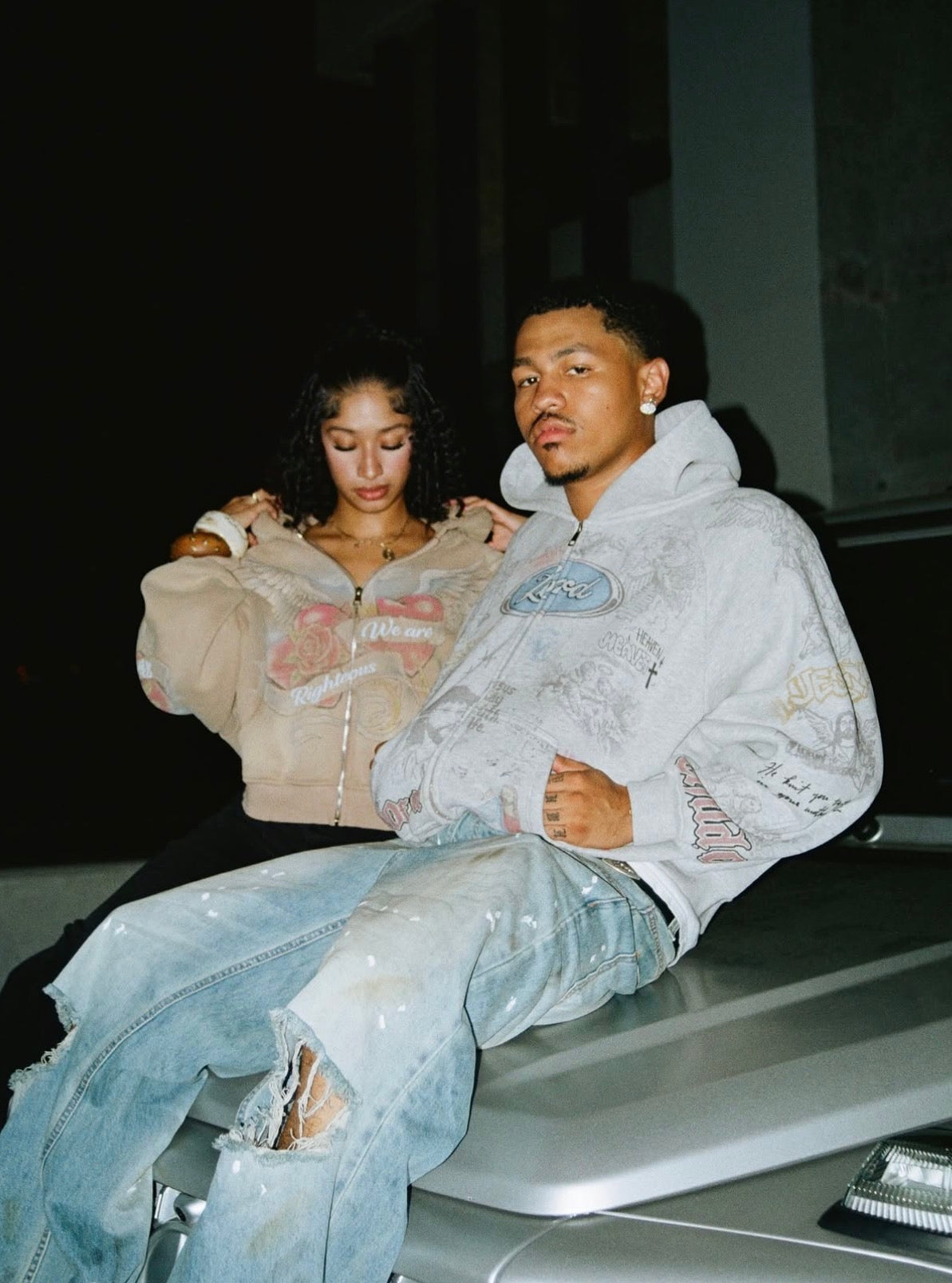
Talk to anyone who follows street fashion with any real interest and they will confirm that user-generated content now surpasses sponsored promotion for brands at this phase of growth. We Are Righteous gains significantly from this pattern. Just one well-shot photo of the righteous hoodie paired with contrast outerwear can produce greater response than a professional shoot, merely because it originates from a person the audience already trusts. Customers are not paid influencers in the majority of instances; they are buyers who appreciated how a garment sat on them and wanted to flaunt it.
Unlike a brand’s own photography, this content shows actual bodies, real lighting, and authentic everyday settings. A staged studio shot communicates fit and drape far less persuasively than watching a person wear a garment on a daily commute, at a concert, or on a weekend getaway. That realness is precisely why so many buyers now seek out a righteous review before buying anything, preferring a third party’s unfiltered take over marketing copy. The community has in effect become the brand’s most convincing sales team, unpaid but deeply invested.
There is also a additional effect worth mentioning. When fans put together content, they often measure pieces against other brands they own, which as a side effect produces free competitive analysis for anyone following along. A buyer researching righteous clothing brand quality can, in a few swipes, see it stacked up against a handful of other names in the comparable price bracket. A decade ago, transparent, informal comparison shopping did not exist in fashion, and it has since raised the bar for everyone, not excluding this one.
Comparing How Communities Engage
Not every street fashion community operates the same way, and recognizing those differences helps explain why the We Are Righteous fanbase feels distinct. The following table compares overall interaction patterns across three common community types in this niche, based on observable activity rather than brand claims.
| Community Category | Leading Platform | Core Activity | Usual Posting Rate |
|---|---|---|---|
| The We Are Righteous fan community | Instagram + private chat groups | Fit checks, drop alerts, honest reviews | Several times weekly around drops |
| Big mainstream streetwear community | TikTok | Trend-driven hauls, unboxings | Daily, large output |
| Specialized reseller and collector community | Forums and Discord | Verifying authenticity, tracking prices, trading items | Ongoing, nonstop, low visual output |
This comparison shows that the We Are Righteous community sits somewhere between the high-frequency chaos of mainstream trend culture and the quieter, more technical world of collector forums. It is visual enough to feel current but detailed enough to feel trustworthy, and that balance is not something a brand can fully engineer on its own.
From Customer Input to Finished Product: The Way It Takes Shape
Its choices are shaped quite noticeably by audience commentary, something that goes overlooked across this brand environment. Adjusted fit notes on later product pages have in the past resulted from sizing complaints raised in a review thread. Calls for restocking on specific pieces get kept tabs on unofficially by fans themselves, who then notify the brand directly when interest reaches a noticeable threshold. Rather than a formal focus group process, what’s happening is more akin to an ongoing, unstructured conversation that ends up shaping real outcomes.
Fan feedback appears to guide choices about colorways especially. Customers vocally call for that same colorway to come back if a limited righteous hoodie drop sells through in a matter of hours, and those requests build up online until they are hard to ignore. How future runs get planned is informed by the prominence of that demand, regardless of whether each request is granted. Compared to the traditional top-down fashion model many are used to, this is a much more open relationship between customer and brand.
How true-to-size pieces run has turned into a particularly common discussion point. Because members trade feedback over repeated purchases, recognizable patterns appear in no time — whether something sizes accurately, leans oversized, or suits layering more than standalone wear. Newcomers looking into righteous clothing prior to purchase often trust these shopper-gathered sizing notes over and above the official size chart on its own, using community consensus as additional reassurance.
The Significance for 2026
As the company advances further into 2026, the collective vibe seems likely to grow stronger rather than fade. A growing number of cities are seeing casual meetups take shape, an increasing set of independent reviewers are putting out thorough analyses, and more first-time buyers are arriving already readied by a fellow buyer’s genuine we are righteous review rather than detached promotional messaging. Relative to what most fashion brands encounter, this shopper experience is substantially altered — and it puts pressure on product quality to keep matching the dialogue unfolding alongside it.
On top of that, there’s a growing expectation among followers that the brand will stay attentive, not just putting out releases. Groups built on such engagement do not tolerate silence well; they expect recognition when suggestions results in change, even down to a caption calling out a widely-made ask. Such anticipation raises the stakes but also reinforces devotion, because people remain committed to brands that visibly respond to them.
At the end of the day, the community spirit surrounding We Are Righteous has been shaped more through conversation than campaigns. Rather than any single campaign, it’s shoppers swapping fit notes, sizing debates, self-organized meetups, and unsponsored reviews that have truly shaped the brand’s identity. Such an organic foundation is fragile in some ways, since it depends entirely on continued trust, but it is also uniquely resilient. Because a community that builds itself tends to defend what it built, that pattern will probably continue to define the brand for a long time to come.