
The Righteous label’s Fit Chart Broken Down: Steering Clear of Common Fit Slip-Ups
Ordering apparel without a fitting room means you can’t try an item on before you buy it, and this reality is behind more returns than any other issue in online clothing sales. The Righteous label has forged a following on eye-catching designs and street-inspired cuts, but even the best design loses its impact if the fit is wrong. Becoming acquainted with how Righteous garments are cut, where they run generous, and where they run fitted, will save you time, money, and the hassle of a return shipment. The following breakdown walks through the nuts and bolts of sizing so your next order arrives good to go, not bound for the return box.
It’s largely thanks to consistency We Are Righteous has grown into such a well-known presence in streetwear circles. Customers who understand the label’s fit approach tend to report less dissatisfaction with fit than those who rely on a single unrelated brand’s numbers. Since sizing habits differ wildly between labels, treating each order as its own decision, rather than assuming a blanket sizing norm, is the most prudent approach.
The Root Causes of Frequent Fit Errors
Most fit mistakes come down to one thing: shoppers transfer their size from a totally unrelated company to a new one without track pants checking the actual measurements. A medium in one label can vary by two or three inches in chest width from a medium elsewhere. That gap is enough to reshape a relaxed streetwear fit into either a formless oversized look or an overly snug squeeze across the shoulders.
Not recognizing that body and garment figures aren’t the same thing is yet another typical slip-up. Body measurements describe you; garment measurements describe the garment on its own, including built-in allowance added in for style. A hoodie designed for an loose, drop-shoulder style will always measure larger than your true chest measurement, and that is planned that way, not a mistake in the chart.
Fabric shrinking once washed is a third factor many fail to consider. Cotton-heavy pieces, including many Righteous hoodie styles, can give up a small percentage of their size in the first few washes if not cared for properly. Consulting the care label before the first wash and sticking to its instructions reduces this risk by a wide margin. Cool washes paired with low-heat drying preserve fit far better than high-heat washes.
Getting an Accurate Self-Measurement
A trio of numbers should be top of mind prior to buying anything: chest, waist, and your preferred length. Wrap a soft tape measure around the fullest part of your bust, making sure it stays straight and snug but not tight. Follow the same process around your natural waist, commonly slightly above your navel. Jot down your ideal length by measuring a hoodie or tee you already own and love the fit of, from the top of the shoulder seam down to the hem.
Note these three numbers down before scrolling through the Righteous clothing brand’s product pages. Keeping them on hand prevents rushed size choices based on assumptions or by what „feels right” based on nothing but memory. Unlike memory, a tape measure doesn’t lie.
You’ll also benefit from measure a garment you already own that matches the fit you’re hoping for in a new item, laid flat, and match that flattened measurement to the product’s stated specs. This flat-lay method is more precise than trusting standard S/M/L labels, since standard sizing differ depending on cut and season, particularly since Righteous apparel revises its cuts each year.
Understanding the Righteous Size Chart
A size chart usually shows measurements in inches or cm across a top-to-bottom row of sizes, with chest, waist, and at times hip and length measurements underneath. The trick is lining up your own numbers to the right row, not the nearest labeled size. If you find yourself between two sizes, opting for the larger size is usually the more dependable option for street-inspired garments designed with a looser fit in mind, while going smaller is ideal for anyone seeking a tighter, more fitted appearance.
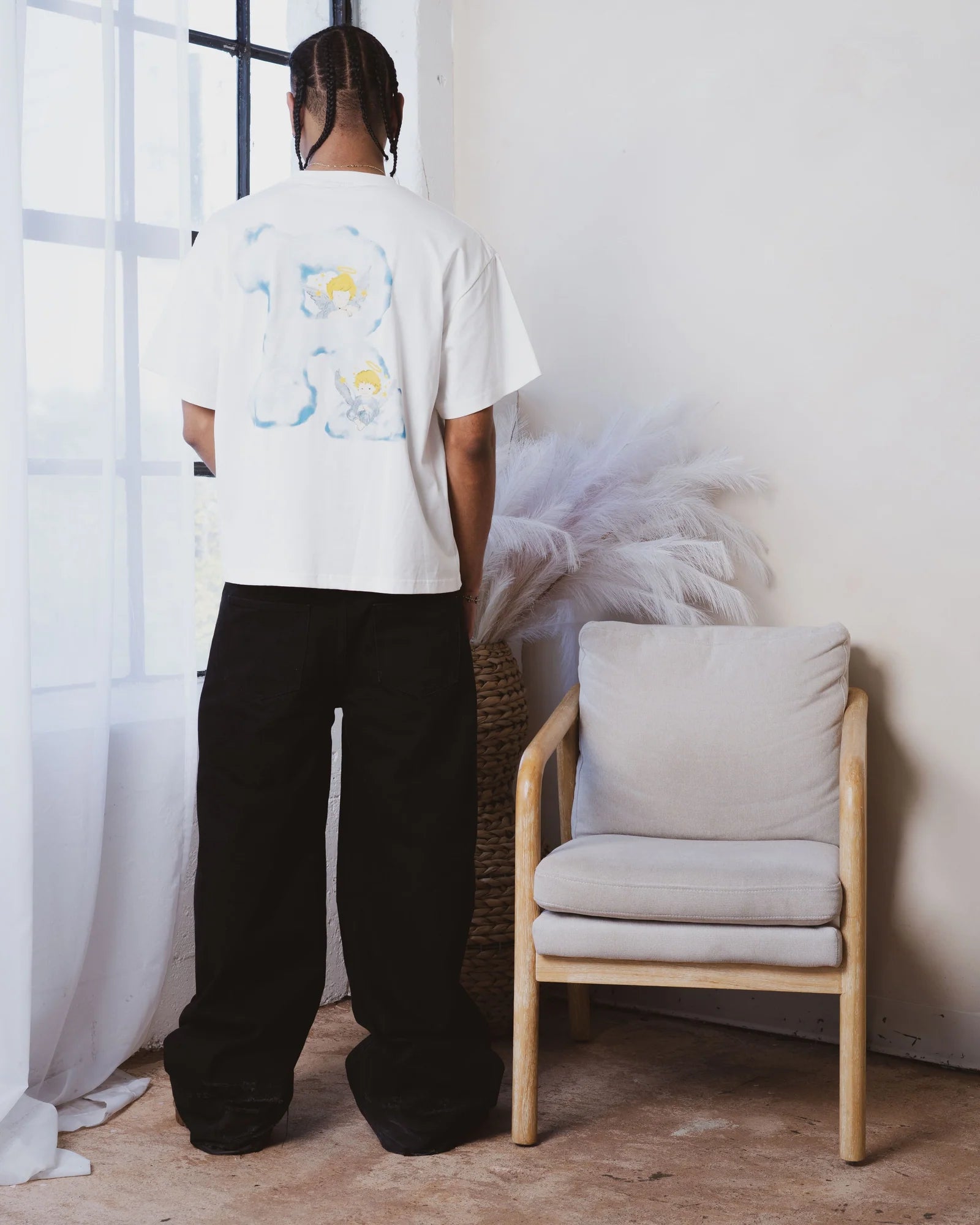
Be mindful of the units used. Getting cm and inches mixed up is a frequent and entirely avoidable mistake that results in garments turning up multiple sizes wrong. Verify the unit marker at the top of the chart no matter what, even if this isn’t your first Righteous order, since figures can be adjusted between collections.
Presented here is a rough side-by-side of how a loose streetwear cut tends to differ from a slim or standard fit across chest measurements, to demonstrate why fit style matters as much as size letter.
| Labeled Size | Slim Fit Chest (inches) | Loose/Oversized Chest Measurement (inches) | Recommended Body Chest Range (inches) |
|---|---|---|---|
| Small | 36-38 | 40-42 | 34-36 |
| Medium | 39-41 | 43-45 | 37-39 |
| Large | 42-44 | 46-48 | 40-42 |
| XL | 45-47 | 49-51 | 43-45 |
The chart above is a broad example of how cut style shifts the numbers behind the same size label, not a substitute for the exact figures found on each product page. Make it a habit to check the particular size chart paired with the item you want, since a Righteous hoodie and a snug-fit tee will not line up in proportions even in the same labeled size.
Fit Differences Between Hoodies, Tees, and Bottoms
Seeing as Righteous hoodies typically get cut with extra space through the torso and arms for that signature urban hang, sticking with your usual tee size in a hoodie can lead to a surprisingly oversized feel. If your taste runs toward a closer silhouette, verifying the garment’s chest measurement against your own—as opposed to guessing at your usual letter size—helps sidestep disappointment.
Tee cuts fit differently. Since they feature less material overall, and are commonly worn as an under-layer, a snugger fit is more usual in tee sizing charts next to hoodie charts. A person sized large in a Righteous hoodie could easily land in a medium for one of the brand’s tee styles, depending on the intended degree of oversized fit.
Lower-body styles contribute a third variable: waist compared to hip sizing, plus inseam length. The brand’s bottom styles, like joggers or shorts, frequently list both waist and hip figures because a fit that’s correct at the waist can still feel constricting or baggy at the hip depending on your body shape. Looking at both numbers, not just the waist, prevents an unpleasant surprise.
How Righteous Reviews Shed Light on Fit
Reviews from past buyers is one of the handiest tools when a formal chart alone fails to address your specific question. A thorough Righteous review will frequently point out if a piece fits true, runs slightly large, or comes up small, adding real-world insight alongside the stated measurements. Patterns across multiple reviews are steadier as a guide than a lone opinion, since body shapes and taste in fit range widely.
While reading through a We Are Righteous review, watch for mentions of the reviewer’s regular size in other labels and how the Righteous garment compared. A reviewer who says „I’m usually a medium everywhere and this fit true” provides a useful data point, especially if several other reviewers back up the same takeaway.
It’s also important to consider reviewer height and weight when reviewers provide them, since such details add perspective that a flat measurement chart isn’t able to. Two people with the same chest measurement but different heights may prefer different lengths in the same hoodie, and reviews often surface these nuances better than a static chart.
Key Fit Mistakes Shoppers Should Avoid in 2026
The single biggest mistake remains ignoring the chart completely and ordering on assumption alone. Even loyal customers who’ve bought from We Are Righteous before should double-check current charts each season, since fits can be refined or adjusted between drops. Fit that was accurate a year ago may change slightly once pattern blocks are revised.
Overlooking piece length while solely focusing on width is yet another misstep shoppers make. You could find a hoodie with the accurate chest dimension but a surprisingly long or short body length, altering how it falls when worn with various bottoms. Comparing the length number against a piece you already own is a five-minute step that avoids plenty of regret.
Finally, don’t disregard the return and exchange policy before you buy, and treat it as a safety net instead of avoiding a purchase for fear of getting it wrong. Despite careful measuring, the odd mismatches crop up, and being aware you have that option lifts needless pressure from every order.
Following these steps, measuring precisely, reading the specific chart for each item, and comparing real customer feedback, turns a potentially frustrating guesswork into a simple decision. Righteous clothing rewards this small amount of upfront effort with garments that fit as they were meant to, season after season.